
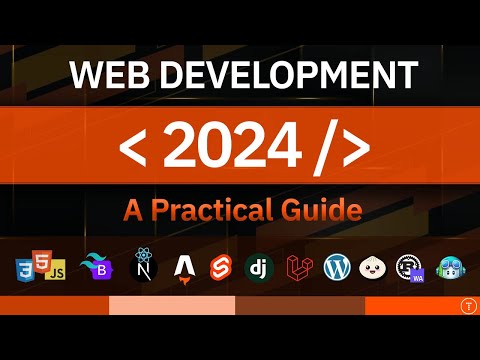
Mastering Application Development: A Modern Approach for Businesses
In today’s digital-first economy, the ability to build robust software tools is a defining factor in business success. Whether you are launching a startup or upgrading legacy enterprise systems, understanding the lifecycle of application development is essential for turning concepts into functional, revenue-generating digital products. At https://bungaweb.com, we prioritize building scalable and reliable architectures that meet the evolving needs of the modern market.
Application development is not just about writing code; it is a holistic process that involves planning, designing, testing, and deploying software to address specific user pain points. By taking a strategic approach to your development project, your organization can effectively streamline workflows, automate repetitive tasks, and deliver superior user experiences that differentiate your brand from the competition.
Understanding the Lifecycle of Application Development
Every successful software project follows a structured progression known as the Software Development Life Cycle (SDLC). The process begins with rigorous requirements gathering, where stakeholders define what the application must do, who the target audience is, and the technical constraints of the project. This phase prevents “feature creep” and ensures that every development hour is spent building features that provide genuine business value.
Following the requirements phase, the project moves into design and prototyping. During this stage, developers and designers map out the architecture, user interface, and user experience. By creating wireframes and high-fidelity mockups, teams can anticipate potential roadblocks and refine the workflow before heavy coding commences. This proactive planning is critical for maintaining project timelines and staying within the allocated development budget.
Selecting the Right Technology Stack
The foundation of any high-quality application is the selection of the correct technology stack. This combination of programming languages, frameworks, and databases dictates the long-term scalability, security, and maintenance costs of your product. For web-based applications, common choices include React, Vue, or Angular for the frontend, combined with Node.js, Python, or Go for robust backend processing.
When selecting your stack, consider the future requirements of your business rather than just the current trends. An ideal stack offers strong community support, frequent security updates, and a vast library of plugins that simplify integration with third-party tools. Reliability relies heavily on choosing components that have a proven track record of performance under heavy user loads and unpredictable traffic patterns.
Core Features That Deliver Business Value
Regardless of the industry, certain core features are essential for modern applications to remain competitive and useful. Features like secure user authentication, real-time data synchronization, and intuitive dashboards are no longer just “nice-to-haves”—they are foundational requirements. A well-designed dashboard, for instance, allows business owners to monitor key performance metrics and make data-driven decisions on the fly.
To help you prioritize your roadmap, consider the following functional requirements that often provide the highest return on investment:
- Automation Engines: Reducing manual data entry through smart workflow automation.
- Third-Party Integrations: Connecting your app to CRM, ERP, and payment processing platforms.
- Role-Based Access Control: Ensuring data security by restricting access based on user hierarchy.
- Scalable Cloud Infrastructure: Utilizing serverless or containerized setups to handle growth.
The Importance of Security and Reliability
In the age of frequent cyber threats, security must be integrated into the application development process from day one rather than added as an afterthought. This involves implementing end-to-end encryption for sensitive data, performing regular penetration testing, and adhering to industry compliance standards like GDPR or SOC2. A secure application builds trust with your users and protects your business from the significant legal and financial risks of data breaches.
Reliability concerns go hand-in-hand with security. High-availability hosting, automated backup processes, and robust monitoring tools ensure that your service remains accessible around the clock. By investing in resilient code and redundant infrastructure, you ensure that your application serves your users reliably even during periods of intense activity, preventing downtime that often leads to user churn.
Comparing Development Approaches
Businesses often struggle to decide between various implementation methodologies. Using the right methodology can significantly impact the speed of delivery and the final quality of the software. The following table highlights common approaches to development:
| Approach | Best For | Key Advantage |
|---|---|---|
| Agile Development | Fast-paced startups | Iterative progress and quick feedback loop |
| Waterfall Model | Strictly regulated industries | Clear documentation and predictable phases |
| DevOps Integration | Continuous deployment | Seamless transition between code and production |
Managing Costs and Scalability
Pricing and budget considerations are inevitable when embarking on an application development journey. It is vital to distinguish between initial development costs and the ongoing cost of ownership. Maintaining a cloud environment, paying for third-party API usage, and ongoing support services are all part of the operational expenditure that needs careful planning. Scalability planning—ensuring that your application can handle ten or ten thousand users with minimal architectural changes—is a key strategy to keep long-term costs stable.
It is generally better to start with an MVP (Minimum Viable Product) to validate the core concept before investing heavily in secondary features. This strategy allows you to test the market, gather user feedback, and refine your toolset without risking your entire budget on features that may not resonate with your target users. Always allocate a portion of your budget specifically for “technical debt” management, which ensures the codebase remains clean and maintainable over time.
Getting Started: Next Steps for Your Project
The journey toward successful application development begins with clear communication and a well-defined project scope. Before you begin writing code, spend time writing down the top three business goals your application intends to solve. Create a clear roadmap that outlines your milestones, and choose a development partner or internal team that understands your long-term business needs.
Don’t fall into the trap of over-engineering the initial version. Instead, focus on the user experience and the most critical business requirements. With a clear vision, the right technology stack, and a commitment to ongoing maintenance and support, you can build a software asset that truly powers your business growth for years to come.