Our History | St. Paul A.M.E. Zion Church
OUR HISTORY

A Legacy of Faith & Service

Discover the historic roots of the African Methodist Episcopal Zion Church and the legacy of faith, leadership, worship, and service that continues to inspire St. Paul A.M.E. Zion Church in Maryville.

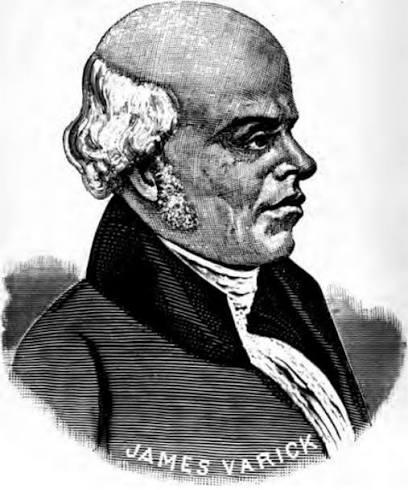
James Varick
FIRST BISHOP James Varick

A Story of Faith & Perseverance

St. Paul A.M.E. Zion Church is part of the historic African Methodist Episcopal Zion Church, a denomination whose roots reach back to the early Methodist movement in New York City.

The story of the A.M.E. Zion Church is one of faith, perseverance, spiritual leadership, and the desire for a place where Black Christians could worship and serve God with greater autonomy.

The church can be traced to the John Street Methodist Church in New York City. Following acts of discrimination, including Black parishioners being forced to leave worship, many Black Christians separated from the congregation and began forming their own churches.

These early congregations became the foundation of a movement that would develop into the A.M.E. Zion Church.
OUR DENOMINATIONAL HERITAGE

African Methodist Episcopal Zion Church

St. Paul is proud to be part of this historic Christian denomination and its continuing legacy of worship, ministry, leadership, and service.

Milestones in Our Heritage

The history of the A.M.E. Zion Church developed through generations of faith, leadership, worship, and a commitment to autonomy.

1796

Peter Williams

Peter Williams formed the basic structure of what would become the A.M.E. Zion Church in New York.

1800

Zion Church

The first church founded by the emerging A.M.E. Zion movement was built and named Zion.

1801

Zion Chapel

Zion Chapel was established as the movement continued developing in New York City.

1820

James Varick Ordained Elder

Six churches met to ordain James Varick as an elder, marking an important step in the development of the denomination.

1821

A.M.E. Zion Church

The A.M.E. Zion Church was officially formed, with James Varick becoming its first General Superintendent.

1822

James Varick Becomes First Bishop

On July 30, 1822, James Varick was ordained as the first bishop of the A.M.E. Zion Church.

The Leadership of James Varick

As the movement grew, several congregations developed from the original Zion congregation. In 1820, six churches came together to ordain James Varick as an elder.

In 1821, Varick became the first General Superintendent of the A.M.E. Zion Church. On July 30, 1822, he was ordained as the first bishop of the A.M.E. Zion Church.

His leadership became an important part of the denomination's developing identity and structure.
Portrait of James Varick

Built on Autonomy & Leadership

The newly formed A.M.E. Zion Church emphasized autonomy, maintaining its own meeting places and times apart from the Methodist Episcopal Church.

Independent Worship

The newly formed church maintained separate meeting places and times for worship.

General Conference

The General Conference became the supreme administrative body of the church.

Board of Bishops

Between General Conferences, the church is administered by the Board of Bishops.

From a Local Movement to a Global Witness

Over the years, the A.M.E. Zion Church expanded its ministry, educational work, and missionary presence beyond its early beginnings.

Education

The denomination developed educational and theological institutions, including Livingstone College and Hood Seminary.

Missionary Work

Missionaries have served communities throughout North and South America, Africa, the Caribbean, and other parts of the world.

Continuing the Legacy

The denomination continues its ministry and outreach while carrying forward its historic commitment to Christian faith, worship, ministry, and service.

Carrying the Legacy Forward

As part of this historic denomination, St. Paul A.M.E. Zion Church in Maryville, Tennessee, carries forward a legacy built on faith, worship, leadership, service, and community.

Our history reminds us that the church is not simply a building or an institution. It is a people who continue to seek God, serve others, grow in faith, and work toward becoming the community God has called us to be.

ROOTED IN HISTORY GROWING IN FAITH SERVING GOD'S PEOPLE BECOMING THE BELOVED COMMUNITY